
-

Al Baseer Hospital
- Aug 05. 2025
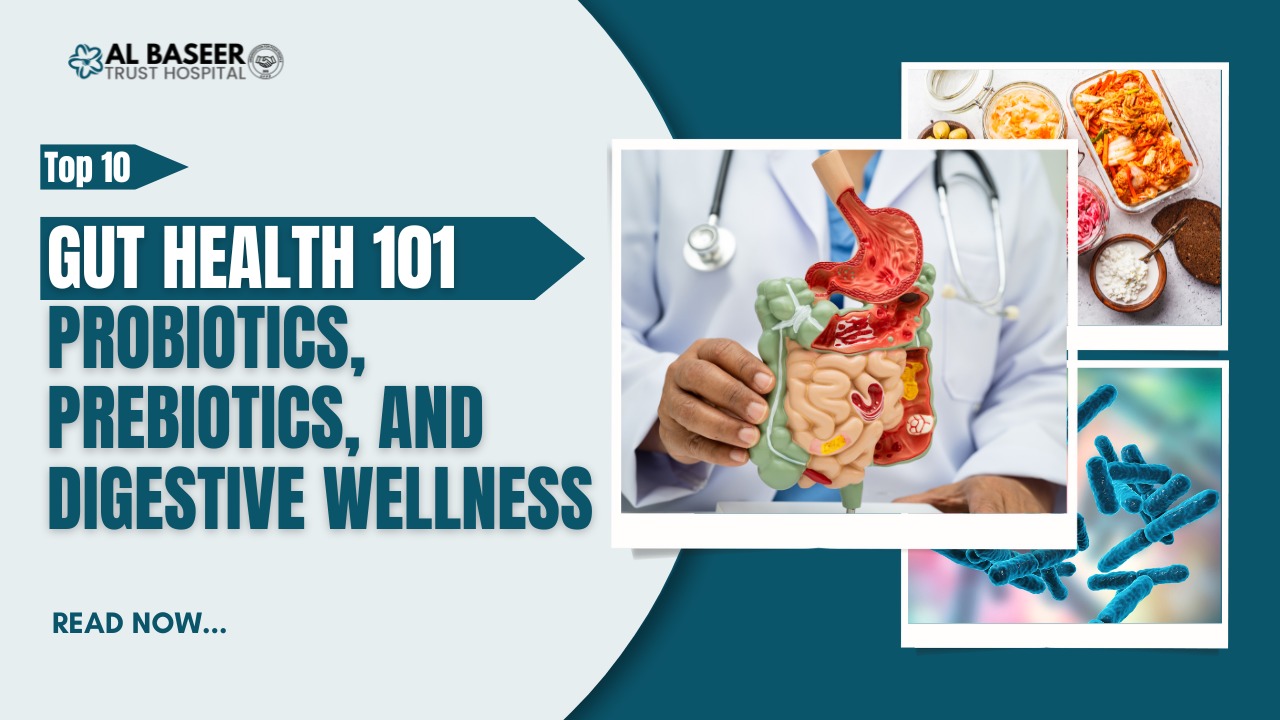
Gut Health 101 | Probiotics, Prebiotics, and Digestive Wellness
How's it going with your gut? Not exactly the hottest topic on the planet, but bear with me; I explained it. Your gut is doing much more than just digesting that burrito you had for lunch. It does much more than serving as the headquarters for digestion; it is also responsible for your immune defense and has become your silent partner in mental health. That gurgling you hear? That's your gut, juggling trillions of little microbes, which affect everything from how you're feeling to how often you get sick. Crazy, huh? So, if you've ever felt bloated, tired, or just plain "off," your gut might be speaking up in some way. Let's talk about what gut health is and how to start taking care of it today.
Introduction: Why Gut Health Is More Important Than You Think
How's it going with your gut? Not exactly the hottest topic on the planet, but bear with me; I explained it. Your gut is doing much more than just digesting that burrito you had for lunch. It does much more than serving as the headquarters for digestion; it is also responsible for your immune defense and has become your silent partner in mental health.
That gurgling you hear? That's your gut, juggling trillions of little microbes, which affect everything from how you're feeling to how often you get sick. Crazy, huh?
So, if you've ever felt bloated, tired, or just plain "off," your gut might be speaking up in some way. Let's talk about what gut health is and how to start taking care of it today.
What Is the Gut Microbiome?
Your Body's Hidden Ecosystem
The gut microbiome forms a highly complex literature made up of bacteria, viruses, fungi, and other microorganisms, most of which are beneficial. Think of it as an inner rain forest where rich diversity thrives and relies upon for survival. No two people have a microbiome, like an individual's microbial fingerprint.
How It Influences Overall Health
The microbes in the human body affect the following functions:
Digestion: Digests food and produces nutrients
Immunity: Defends against pathogens
Mental health: Produces neurotransmitters such as serotonin
Metabolism: Helps in regulating blood sugar and fat storage
When the microbiome remains well balanced, one could feel bright, mentally fresh, and physically at its best; the imbalance leads to digestive troubles, brain fog, or sometimes chronic conditions.
What Are Probiotics?
Friendly Bacteria Explained
Probiotics are live bacteria that help in your digestive system. They are the "good guys," acting to counter the bad guys and helping to keep the gut environment in a balanced state.
Health Benefits of Probiotics
Improved digestion and reduced bloating
Increased digestive fire.
Stronger immune system, better nutrient absorption.
Improved mood and mental clarity.
Protection from diarrhea and constipation.
Best Food Sources for Probiotics
Yogurt: Choose all types that maintain the "live and active cultures" label.
Kefir: A tangy fermented milk beverage that contains a myriad of therapeutic cultures.
Sauerkraut: Unpasteurized and raw, that is of utmost priority.
Kimchi: Spicy fermented veggies from Korea.
Tempeh and Miso: Fermented foods made from soybeans.
Kombucha: Fizzology tea fermented with the help of SCOBY.
What Are Prebiotics?
Food for Your Gut Buddies
Prebiotics are those fibers that humans cannot digest. But these fibers are digestible by the friendly bacteria living in your gut. They are the best fuel for your probiotics and help them to flourish.
Prebiotic Benefits
Support Probiotic Growth
Aid Calcium Absorption
Boost Immune System and Inflammation Reduction
Support Weight Management through Enhancing Metabolism
Top Fiber-Rich Prebiotic Foods
Garlic
Onions
Leeks
Asparagus
Chicory root
Green bananas
Whole oats and barley
Apples (with skin!)
What Are Synbiotics?
The Power Combo of Probiotics + Prebiotics
Indeed, they create synbiotics when combined. Probiotics can persist for a longer time and function better with the help of prebiotics. It's planting seeds (probiotics) and fertilizing them (prebiotics) to grow a garden or thriving farm. Naturally available synbiotics include some foods, such as kefir with added inulin (a prebiotic). Alternatively, you can opt for different, more synbiotic-focused supplementation.
Signs Your Gut Might Be Unhappy
Common Symptoms of Poor Gut Health
Bloating
Gas
Diarrhea or constipation
Food sensitivities
Skin problems (eczema, acne)
Brain fog
Bad breath
Fatigue
Frequent illness
Why You Shouldn’t Ignore Them
Signs can appear inconsequential, but they could very well denote more severe imbalances that may go towards your entire being. If you are facing them regularly, it could mean that your gut needs some tender-loving care.
How to Improve Gut Health Naturally
Eat for Your Gut
Eat more fiber: your target will be about 25 to 30 g per day from fruits, vegetables, and whole grains.
Include fermented foods: Some yogurt, kefir, or kimchi every day.
Limit sugar and processed foods: These are foods for the bad bacteria.
Stay hydrated: Water supplements movement and aids in keeping everything down.
Lifestyle Hacks
Sleep well: Your gut repairs itself at night.
Reduce stress: Chronic stress disrupts your gut-brain axis.
Exercise: Regular movement increases microbial diversity.
Avoid unnecessary antibiotics: They can also wipe out beneficial bacteria.
Probiotics vs. Prebiotics
Key Differences Simplified
Probiotics: Consume living organisms.
Prebiotics: Fibre to feed good bacteria.
Why Both Matter Equally
So why are they equally important? You need both for balance: while prebiotics keep your good bacteria healthy, probiotics can bring in backup troops when needed.
When Should You Consider Supplements?
Pros and Cons of Probiotic Pills
Pros:
Convenient for travel or busy lifestyles
Tailored strains for specific needs (IBS, immunity, etc.)
To help balance the gut flora following antibiotics
Cons:
May be destroyed by stomach acid
Some may be low quality or mislabeled
May cause bloating in the beginning
When Food Might Not Be Enough
When Food Might Not Be Enough
If you have:
A restricted diet
Chronic gut issues
Recently used antibiotics
Supplements might help fill the void, but you really should check with your health care provider first.
Gut Health Myths vs. Facts
Myth: All Bacteria Are Harmful
Fact: Most bacteria in your gut are beneficial or neutral. Only a small percentage is harmful.
Myth: Antibiotics Only Kill Bad Bacteria
Fact: Antibiotics often destroy good bacteria too, leaving your gut vulnerable.
Myth: Only Yogurt Has Probiotics
Fact: Many other fermented foods like miso, kimchi, and kombucha are rich in probiotics.
Simple Daily Habits for a Healthier Gut
In the morning, drink lemon water.
Slowly chew your food for better digestion.
Include fermented foods in at least one meal.
Substitute whole-grain bread in place of white bread.
Meditate for five minutes to relieve stress.
Expose yourself to sunlight every day to help regulate your circadian rhythm.
Micro-habits make a macro difference.
How Gut Health Affects Your Brain and Mood
Maybe you define butterflies in the stomach? This is all voting for the gut-brain axis. Your gut produces neurotransmitters, such as serotonin (the happy hormone), which is responsible for mood. An unbalanced gut might trigger anxiety, irritability, or even depression. Healing your gut will clear mental fog, stabilize your mood, and bring you back to feeling like yourself.
Gut Health and Immunity
A hefty share of your immune system is situated in the gut. A healthy gut = strong immune responses. If you compromise your gut, it will cause inflammation and autoimmune responses, and your chances of getting sick will increase.
What you are doing by feeding your gut is arming your immune system.
Conclusion
When gut health flourishes, it becomes a foundational aspect of one's health, not just a high fad about them. Your gut affects every area of your life-from digestion and disease prevention to emotional balance. You don't need expensive detoxes, nor super-hyped diets. You need only the bare essentials of eating real, whole foods, moving your body, resting, managing stress, and feeding your friendly bacteria.
- Popular Tag:
- Gut Health 101 | Probiotics
- Prebiotics
- And Digestive Wellness
Leave a Replay
Please login to leave your comment




Comment (0)